Westmorland and Furness Council is marking Road Safety Week by appealing to road users to think about their role in helping keep people safe on the move.
The council is also highlighting how it has worked with communities and partners to make our roads safer.
Organised by Brake, Road Safety Week runs from 15 to 21 November.
Safer journeys to school
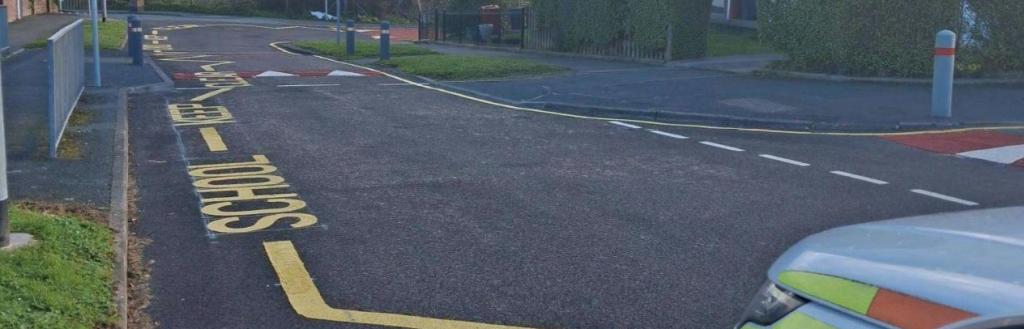
Over the last 12 months, the council has delivered a range of improvements to support safer school journeys, including new crossing facilities, traffic management schemes, parking restrictions and active travel improvements.
Recent examples include the installation of two new zebra crossings on Springfield Road in Ulverston, serving three nearby schools, and the extension of the one-way system around Newbarns Primary School in Barrow. Both schemes were designed to improve safety for children, parents, carers and other road users travelling through busy school areas.
These improvements are supported by a wider programme of activity, including School Crossing Patrols, road safety education and engagement with schools to help children develop the skills, knowledge and confidence to travel safely.
Together, these measures help make journeys to and from school safer, encourage active travel and support children in developing safe habits from an early age.
What can road users do?
Drivers can help by slowing down near schools, observing parking restrictions and being particularly vigilant at drop-off and pick-up times, when roads are often at their busiest. Parents and carers can also support children in developing good road safety habits and encourage safe, active journeys where appropriate.
Investing in safer roads
The council also continues to invest in a range of safety improvements across the road network, including resurfacing, drainage works, replacement signs, enhanced road markings, upgraded safety barriers and junction improvements.
The A592 Safer Roads Programme is a recent example of this approach. Supported by Department for Transport funding, the scheme delivered a package of measures designed to improve driver awareness, reduce risks and support safer journeys along one of the area's most challenging rural routes.
What can road users do?
Help keep our roads safe by staying alert, driving appropriately for the conditions and being prepared for unexpected hazards. Small actions, such as reducing speed, allowing extra space and paying attention to the road environment ahead, can make a significant difference to road safety.
Managing Speed to Reduce Harm
Speed plays a significant role in both the likelihood and severity of collisions.
That's why Westmorland and Furness Council continues to support appropriate speed management through its 20mph programme and other speed limit reviews across the area.
Over the last three years, 61 new schemes have been approved through the 20mph programme, helping to create safer environments in communities where people live, work, walk, wheel and cycle.
What can road users do?
Respect posted speed limits and adjust your speed to the conditions. Lower speeds give drivers more time to react to unexpected hazards and help reduce the likelihood and severity of collisions, particularly in communities where people are walking, wheeling and cycling.
Developing safer drivers
Through initiatives such as the Council's enhanced Pass Plus scheme, Westmorland and Furness Council is also helping newly-qualified drivers build confidence, gain experience and develop safer driving habits. The scheme provides additional training in situations that many new drivers have limited exposure to, including night driving, poor weather, rural roads and higher-speed routes.
To encourage more young drivers to take part, the council offers £150 towards the cost of Pass Plus training for eligible drivers aged 17 to 24 who live in Westmorland and Furness and have passed their practical driving test within the previous 12 months.
What can road users do?
Take opportunities to refresh and develop your skills, knowledge and awareness, whatever your chosen mode of travel. Whether it's additional driver training, cycle training, road safety education or simply staying up to date with changes to the Highway Code, continued learning can help everyone make safer choices and contribute to safer journeys for all.
Preparing for winter
Winter brings additional challenges for everyone using the road network.
The council's winter maintenance teams work throughout the season to help keep key routes safe through weather forecasting, precautionary salting, snow clearance operations and the provision of grit bins across communities.
This essential service helps maintain access for residents, businesses, emergency services and public transport, particularly during periods of severe weather. However, safe winter travel is a shared responsibility. Even on treated roads, ice, snow, heavy rain and poor visibility can significantly affect driving conditions.
What can road users do?
Before setting out, check tyres, lights, batteries and wiper blades, allow extra time for journeys and adjust driving to suit the conditions. Keep up to date with weather and travel information, ensure vehicles are properly prepared for winter, and be prepared to delay or postpone non-essential journeys if conditions become particularly challenging.
Using evidence to target improvements
To better understand risk, the council uses collision data, traffic surveys, site inspections, road safety audits and local intelligence to identify locations where improvements could have the greatest benefit. This helps ensure investment is focused where it can make a meaningful difference to safety outcomes.
Large and complex locations often require organisations to work together to fully understand the challenges and develop effective solutions. Improvements at Junction 37 are an example of how evidence-led decision making and partnership working can help shape road safety improvements. By bringing together technical expertise, local knowledge and input from key stakeholders, schemes can be developed that balance the needs of road users while improving safety and supporting the efficient movement of traffic.
The same approach is applied across the wider highway network. Whether installing a new crossing facility, introducing a speed management scheme, improving signage or upgrading a junction, decisions are informed by evidence, professional assessment and an understanding of how people use the road network.
What can communities do?
Continue reporting concerns and sharing local knowledge. Local insight helps us understand how roads are used and complements the technical evidence used to identify opportunities for improvement.
Working with Communities and Partners
The council works closely with residents, town and parish councils, local members, schools and partner organisations to understand the issues affecting communities and explore opportunities to improve safety on the highway network.
The 20mph Speed Limit Programme is a strong example of this collaborative approach. Many of the schemes delivered over recent years have originated from requests raised by local communities who wanted to create safer environments for people living, working and travelling in their area. Through engagement, evidence gathering and local consultation, these ideas have been developed into deliverable schemes that reflect both community aspirations and road safety objectives.
This approach extends across many areas of the council's work. Local knowledge often provides valuable insight into how roads are used, helping to identify issues that may not be apparent from data alone and ensuring that solutions are informed by the experiences of the people who use them every day.
By working together, communities and highway authorities can help create safer places for everyone.
What can communities do?
Continue engaging with consultations, reporting concerns and sharing local knowledge. Community feedback plays an important role in helping identify opportunities to improve road safety across Westmorland and Furness.