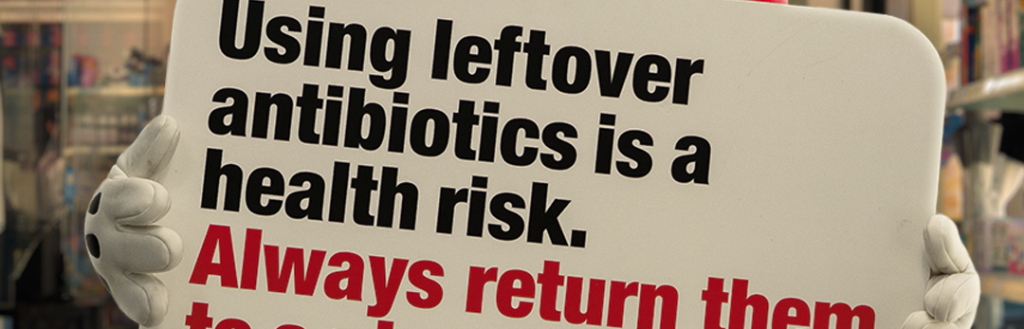
As World Antimicrobial Resistance (AMR) Awareness Week 2026 gets underway, health leaders are urging people to take control of their health and help protect their communities by using antibiotics responsibly.
Antibiotics have transformed modern medicine, saving millions of lives by treating bacterial infections. However, their effectiveness is under growing threat as bacteria become increasingly resistant to the medicines designed to kill them.
This growing public health challenge, known as antimicrobial resistance (AMR), occurs when bacteria and other microbes evolve and no longer respond to treatment. As a result, infections that were once easily treated can become more severe, last longer, and in some cases become life-threatening.
Why does antibiotic resistance happen?
Bacteria naturally develop resistance over time, but the misuse and overuse of antibiotics is accelerating the process.
Taking antibiotics when they are not needed, not taking them as directed, or keeping and sharing leftover medicines all increase the risk of antibiotic-resistant bacteria developing and spreading.
Antibiotic-resistant bacteria do not just affect the individual taking antibiotics. They can spread between people, making infections increasingly difficult to treat.
Everyone has a role to play in tackling AMR, and you can take action to protect yourself and your community.
During World AMR Awareness Week, people are encouraged to remember:
- Antibiotics are ineffective against colds and flu. Your body can normally fight these infections without treatment.
- Only use antibiotics when prescribed by a healthcare professional
- Always complete the full course as directed by your healthcare professional
- Never save antibiotics for later, or share them with anyone else.
- Return any leftover antibiotics to your local pharmacy for safe disposal. Do not throw them away or flush them down the toilet.
Councillor Patricia Bell, Westmorland and Furness Council Cabinet Member for Adult Care said:
"Antibiotic resistance is a significant threat to the health of our communities. When antibiotics stop working, common infections can become much harder to treat, putting people’s health at risk. By using antibiotics responsibly, we can all help preserve these vital medicines for future generations."
Professor Susan Hopkins, Chief Executive of UKHSA, said:
“Antibiotic resistance is one of the greatest health threats we face. More people than ever are acquiring infections that cannot be effectively treated by antibiotics. This puts them at greater risk of serious illness and even death, with our poorest communities hit the hardest. We are united with partners globally in finding new ways to tackle this complex problem. This includes using antibiotics in a way that doesn’t contribute to the spread of resistance, researching new types of treatments and preventing infections from occurring in the first place. It’s positive that we’ve seen antibiotic use fall in England within the NHS but we need to go further, faster. It’s also important to take up the vaccinations you are eligible for to help stop infections in the first place.”