South Lakeland residents are being reassured that recycling collected in the area continues to be sorted and processed correctly.
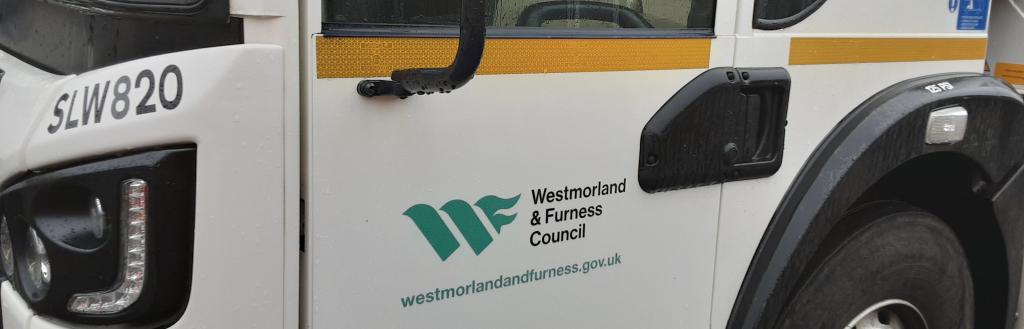
As part of plans to create a more harmonised waste and recycling service, Westmorland and Furness Council has been introducing more, newer and more efficient collection vehicles as older ‘romaquip’ models are phased out. This means some collection rounds will now use refuse collection vehicles with one or two compartments instead of the older multi-compartment romaquip vehicles.
These modern vehicles help improve reliability, reduce emissions and feature built-in lifting gear to empty wheelie bins more quickly and safely, helping crews to complete rounds more efficiently.
However, during this transition phase, it is not possible to predict exactly which rounds will have which vehicles on a regular basis.
While it may appear that all recyclables are being loaded into the same wagon without separation, this method – known as co-mingling – is supported by modern recycling technology which makes it possible to collect more recyclable materials together in the same container. Recycling collected under this system remains separate from general waste.
Inside our bin wagons, there are separate compartments, so even when two containers are emptied into the same vehicle, the materials aren’t completely mixed. Paper and card can still be kept apart from plastics, glass, and cans to reduce contamination and ensure effective recycling.
Materials collected can now be taken to a specialist Materials Recovery Facility (MRF) where state-of-the-art machinery efficiently identifies, sorts and grades mixed recyclables ready for reprocessing.
Co-mingled recycling also allows the Council to use the same types of bin wagons for recycling, general waste and green waste collections. This flexibility makes the fleet more efficient and helps maintain service reliability, including if vehicles need to be swapped due to maintenance or breakdowns.
The Council initiated a successful trial in Ulverston last year to research and gather evidence on the effectiveness and efficiency of co-mingled collections and the modern collection vehicles. Findings from this trial have helped shape the current improvements and confirmed that recyclables collected in this way can be sorted and processed correctly.
Councillor Giles Archibald, Climate, Biodiversity and Environmental Services, said:
“We recognise that to some the introduction of co-mingled collections may give the impression that everything is simply being thrown in together and may raise questions about the value of sorting waste at home. I want to assure residents that this is not the case.
“These improvements in technology mean we can now collect more recyclable materials together in the same vehicle without compromising them. Everything collected at the kerbside is sorted and sent for recycling, and anything contaminated with non-recyclable waste is sent for processing by Mechanical Biological Treatment, ensuring nothing we collect goes to landfill. This ensures that valuable natural resources are recovered and reused, protecting the environment and cutting waste.
“Evidence shows that making recycling simpler and more convenient encourages people to recycle more and waste less, which is one of the main aims of the new harmonised system. By modernising the service and investing in newer, more efficient vehicles, we’re making it easier for residents to recycle, reducing missed collections and increasing overall recycling performance across Westmorland and Furness.”
While the council transitions to newer collection vehicles and phases out older ones, residents are being asked to continue as usual separating their recyclable materials by type. For guidance on recycling materials and the right containers, visit the council's website.
Councillor Archibald, continued:
“Co-mingled collections are an important step in delivering a simpler, greener, and fairer recycling service for all our residents. While we work towards this with vehicle replacement, we kindly ask residents to continue to sort their recycling into separate streams at home – in particular the recycling of glass which should remain being collected in your recycling box for safety reasons. We appreciate this creates some temporary disparity between what we’re rolling out and what residents are being asked to do but a fully harmonised waste and recycling service can’t happen right away. Thank you for doing your part to keep South Lakeland green and sustainable.”
In September, Cabinet agreed to introduce a new harmonised waste and recycling service for residents. As part of future arrangements in a wider programme of work, residents will continue to separate their recycling at home - for example, paper and card, plastics, cans/tins and glass - but for some households, there will be a change to the type of container provided. In certain areas, two 180-litre wheelie bins will replace bags and boxes, making storage and collection easier.
The new arrangements will be phased in over a period of time in different areas, and details about how that will be done, when and what will happen to existing containers will be communicated with residents when their area is ready for the roll-out.