Coordinating my body for play and activities
Why is coordination important
Coordination helps children move their bodies smoothly and confidently when they are playing and learning. It also helps with everyday activities. To do this, children need:
- Good core strength and stability. This means strong tummy, back, shoulder and hip muscles.
- Good body awareness. This helps them to understand where their body is and the space around them.
- To be able to plan and organise movements.
- To be able to use information from their senses effectively.
These skills will help with activities like:
- dressing
- using cutlery
- writing
- riding a bike
- playing sports
What difficulties might you notice
Your child may:
- trip, fall or bump into things often
- find writing or using scissors difficult
- struggle with dressing, fastenings or using cutlery
- need more practice than their peers to learn new physical skills
- find it difficult to copy actions or movement patterns
Activities to build coordination and core strength
The best way to develop these skills is through active play. Choose a few activities each day and keep them fun.
On hands and knees
- ball games
- skittles
- Connect 4 or simple board games
- obstacle courses
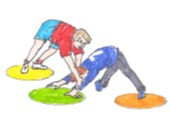
Kneeling activities
- throwing beanbags at a target
- playing games at a low table
- balloon volleyball
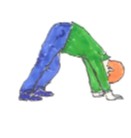
Animal walks
- bear walks
- crab walks
- cat and dog walks
- donkey kicks
Strength and balance activities
- Aeroplanes: lie on your tummy and lift your arms, legs and head off the floor.
- Bridges: lie on your back with knees bent and lift your bottom off the floor.
- Body wrestling: push or pull against a partner while kneeling.
- Swimming: great for overall strength and coordination.
Everyday activities
- play in parks and playgrounds
- walk on uneven surfaces
- draw or write on a wall-mounted surface or easel
- read or watch TV whilst lying on your tummy and propped on your forearms
Helpful strategies
Break tasks into small steps
Children often learn best when activities are broken down into small parts.
- give one instruction at a time
- use simple, clear language
- gradually add more steps as confidence grows
Use visual supports
- picture checklists
- visual schedules