Messy play
Why messy play is important
Messy play is a fun way for children to learn and develop important skills. It encourages children to explore different textures and use their imagination. It also helps to develop hand skills needed for everyday activities such as writing, dressing and using cutlery.
Messy play can help to develop:
- hand strength and fine motor skills
- hand-eye coordination
- creativity and imagination
- social and communication skills
- concentration and problem-solving
- confidence exploring new experiences
Some children may be sensitive to certain textures and may avoid messy play. This is common and can be improved by introducing new textures gradually and at your child's own pace.

Preparing for messy play
Before messy play, some children benefit from activities that provide deep pressure and help them feel more comfortable using their hands.
Try:
- animal and wheelbarrow walks
- gentle hand massages using hand cream
- hand hugs by gently pressing around the hands and arms
- playing with water if your child enjoys it
A gradual approach to messy play
If your child is reluctant to touch messy materials, start with dry, firm textures and slowly introduce softer and wetter materials. The aim is not to get messy quickly, but to help your child gradually feel comfortable exploring a range of different textures.
Messy play: a gradual approach to exploring textures
| Stage | Activities | Ideas to make it fun |
|---|---|---|
| Step 1: Dry materials |
|
|
| Step 2: Mixed textures |
|
|
| Step 3: Add water |
|
|
| Step 4: Softer textures |
|
|
Messy play and feeding
Some children who are sensitive to textures may also find certain foods difficult to touch or eat. Allowing children to explore food through play can help build confidence.
Start with drier textures such as cereal, oats and crushed biscuits. Then move gradually towards wetter foods like rice pudding, yoghurt, jelly, custard and smooth jam.
Allow your child to touch, squeeze, stir, pour and explore foods without pressure to eat them. Encourage them to join in with cooking and baking activities such as stirring ingredients, mixing cake batter, kneading dough and rolling pastry.
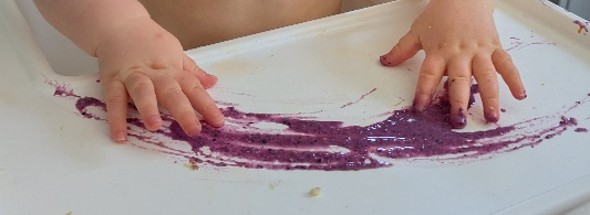
Taste-safe messy play
- smoothies
- frozen berries
- yoghurt - plain or flavoured yoghurts add colour.
- rainbow spaghetti - drain cooked pasta and add food colouring.
- edible mud - use whisked chocolate pudding or mix 1 cup flour or cornflour with 1 cup cocoa powder and 1 to 2 cups of warm water.
- moon sand - mix 4 cups of plain flour with ½ cup of vegetable oil.
- marshmallow slime - mix a few drops of food colouring into marshmallow fluff. Put icing sugar onto a clean surface, spoon the fluff on top and knead icing sugar into the fluff until stretchy.
- chia slime - mix ¼ cup chia seeds and 2 cups of water with food colouring. Keep in the fridge overnight.
- aquafaba foam - whip the liquid from a tin of chickpeas. Optional: add food colouring and 1 teaspoon of cream of tartar.
Other messy play activity ideas
- shaving foam
- finger, hand or foot painting
- lavender rice - mix purple paint into rice and leave it to dry. Add a few drops of essential oil and/or lavender stalks. Store in an airtight container.
- bubble painting - mix 4 tablespoons of washing-up liquid with 2 tablespoons of paint in a cup. Use a straw to blow bubbles to the top of the cup and place paper
Top tips for parents
- let your child explore at their own pace
- start with textures they feel comfortable with and never force them to touch a texture they dislike. Use spoons, scoops or toys if they are reluctant to use their hands
- praise effort, curiosity and any attempts to touch or explore new materials
- keep activities short and fun
- celebrate small successes
Remember
Messy play should be enjoyable and pressure-free. Small steps and regular opportunities to explore different textures can help your child develop confidence, hand skills and sensory tolerance over time. Most importantly, have fun together.