Playdough play: building strong hands through fun
Playdough is a simple, fun activity that helps children develop many important skills while they play.
Playdough can help your child:
- strengthen the small muscles in their hands and fingers
- develop hand-eye coordination
- improve two-handed (bilateral) skills
- build concentration and attention
- encourage creativity and imagination
- support communication, social interaction and play skills
- feel calm and relaxed through sensory play
The best part is that children often do not realise they are developing important skills because they are having fun.

Easy homemade playdough recipe
Ingredients
- 2 cups plain flour
- 2 tablespoons vegetable oil
- ½ cup salt
- 2 tablespoons cream of tartar
- up to 1½ cups boiling water
- food colouring (optional)
- a few drops of glycerine (optional, for a softer, shinier dough)
Method
- mix the flour, salt and cream of tartar in a bowl
- add the oil
- gradually add the boiling water, stirring as you go, until the dough reaches a soft consistency
- add food colouring if desired
- allow to cool before use
Store in an airtight container to keep it fresh.
Fun playdough activities
Encourage your child to explore and be creative. Here are some simple ideas.
Develop fine motor skills
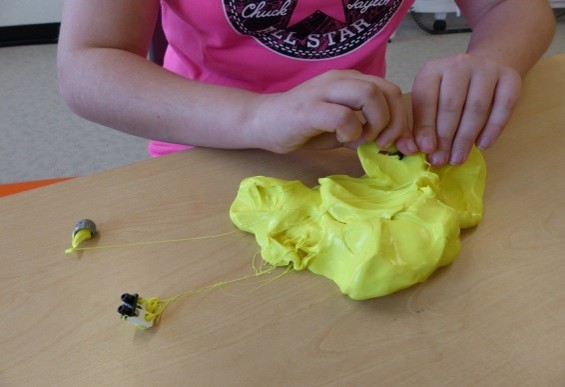
- squash, squeeze and stretch the dough
- roll playdough into balls using both hands
- roll long sausages, snakes or worms
- flatten the dough with hands or a rolling pin
- pinch small pieces between finger and thumb
- poke holes using fingers
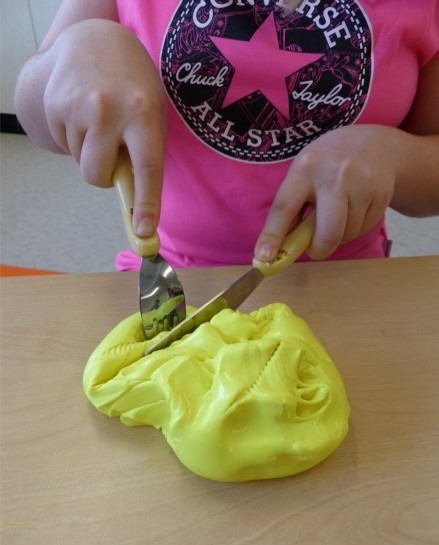
- cut the dough with child-safe scissors
- use shape cutters, stamps or cookie cutters
- hide small toys or objects inside and dig them out
- make pinch pots
Encourage imaginative play
- make pizzas and pretend foods and practise cutlery skills
- create animals, people or favourite characters
- build small worlds using playdough and toys
Practise early writing skills
- copy simple patterns and designs
- roll playdough into long strips and make letters, numbers and shapes
If your child does not like touching playdough
Some children are sensitive to different textures and may find playdough uncomfortable at first. You can help by:
- allowing your child to watch before joining in
- avoiding forcing your child to touch playdough
- using tools such as rolling pins, cutters or cutlery
- starting with firmer materials such as plasticine
- encouraging short periods of play and gradually increasing contact
- letting your child explore at their own pace
Remember
Playdough is a fun and simple way to develop hand strength, coordination and creativity. Regular opportunities to play can help build confidence and support many everyday skills.