Starting secondary school
Starting secondary school is an exciting step, but it can also feel a little overwhelming. New routines, different teachers and a bigger school environment take time to get used to. With some preparation and organisation, you can feel more confident and ready for the change.
Getting ready for the school day
- visit the school before starting and familiarise yourself with the layout
- set an alarm that allows enough time to get ready without rushing
- pack your school bag the night before
- check that all equipment, homework and PE kit are ready
- use a school map to help learn the layout and lesson locations
- wear a watch to help you manage your time during the school day
Travelling to and from school
- plan the journey in advance and practise it if possible
- check bus or train times before the first day
- allow extra time until the journey becomes familiar
- wear suitable clothing for the weather
- use reflective clothing when walking or cycling during darker months
- think about travelling with friends if appropriate
Managing the timetable
- keep copies of your timetable in useful places, such as your school diary, school bag, pencil case or on your bedroom wall
- colour-code subjects to make the timetable easier to read
- check the timetable each evening to prepare for the next day
Keeping books and work organised
- label all exercise books clearly
- write the teacher's name and lesson times inside each book
- use colour-coded covers or folders if helpful
- keep loose worksheets in a folder to prevent them getting lost or damaged
- highlight key information when allowed
In the classroom
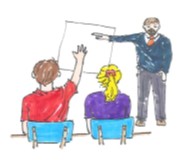
- ask for help if you are not sure
- sit where you can clearly see the teacher and board
- break larger tasks into smaller steps if they feel overwhelming
- record homework and important reminders in a diary or planner
Writing and equipment
- keep stationery together in a pencil case
- try to keep your work neat and organised
- a sloping surface, such as a ring binder, may make writing more comfortable
- make use of computers and technology when appropriate for learning and organisation

Lockers and personal belongings
- label all uniform, PE kit and personal belongings
- use a locker for larger items where available
- store keys safely on a keyring or in a secure part of your school bag
Friendships and confidence
- try joining clubs, sports or after-school activities
- remember that making new friends takes time
- stay in touch with existing friends while making new ones
- talk to a trusted adult if you have any worries
Top tips
- be organised the night before
- use checklists and timetables
- keep belongings labelled
- ask for help when needed
- arrive with plenty of time
- get involved in school activities
Remember
Starting secondary school is a big change for both pupils and parents. It is normal to feel nervous at first. With preparation, support and time, most young people quickly settle in, make new friends and grow in confidence and independence.