Using scissors
Helping your child develop scissor skills
Learning to use scissors is an important skill that helps children develop hand strength, coordination and independence. Before children are ready to cut accurately, they need to develop the hand, arm and coordination skills that support scissor use.
Remember that learning to use scissors takes time and lots of practice.
Before using scissors
Children need to develop:
- hand strength and finger control
- hand-eye coordination
- the ability to use both hands together
- good shoulder, arm and wrist stability
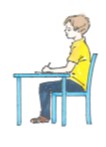
- a comfortable and stable sitting position
Activities to build scissor skills
Try these fun activities to strengthen the muscles needed for cutting:
- using tongs or tweezers to pick up and move objects
- peg games and hanging out washing
- using a hole punch
- squeezing pipettes, water pistols or spray bottles
- playdough activities
- picking up small objects and sorting them
Introducing scissors
When your child is ready:
- start with child-safe scissors
- spring-loaded scissors can be helpful for beginners
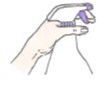
- encourage a "thumbs up" position when cutting
- place a smiley face or sticker on their thumbnail as a reminder
- practise opening and closing scissors before cutting paper
Good beginner activities
- snipping playdough
- cutting drinking straws
- snipping strips of paper to make grass or confetti
- cutting thicker paper or card, which is often easier to control
Practising cutting skills
Start simple
- cut straight lines first
- draw thick lines to cut along
- use stickers as targets for your child to cut towards
- encourage your child to move their helping hand along the paper as they cut
Building accuracy
As skills improve:
- cut along thinner lines
- practise cutting squares and triangles
- move on to curved and wavy lines
- cut out simple pictures and shapes
- make collages and craft activities
Helpful tips
- complete hand warm-up activities before cutting
- make sure your child is sitting comfortably with good support
- allow plenty of practice opportunities
- praise effort as well as success
- use clear visual guides such as dots, arrows and stickers
- keep activities fun and motivating
Remember
Start with simple activities. Give plenty of encouragement. Focus on progress rather than perfection. Regular practice through crafts and play is the best way to help your child develop confidence and cutting skills.