Normal variations in children's development
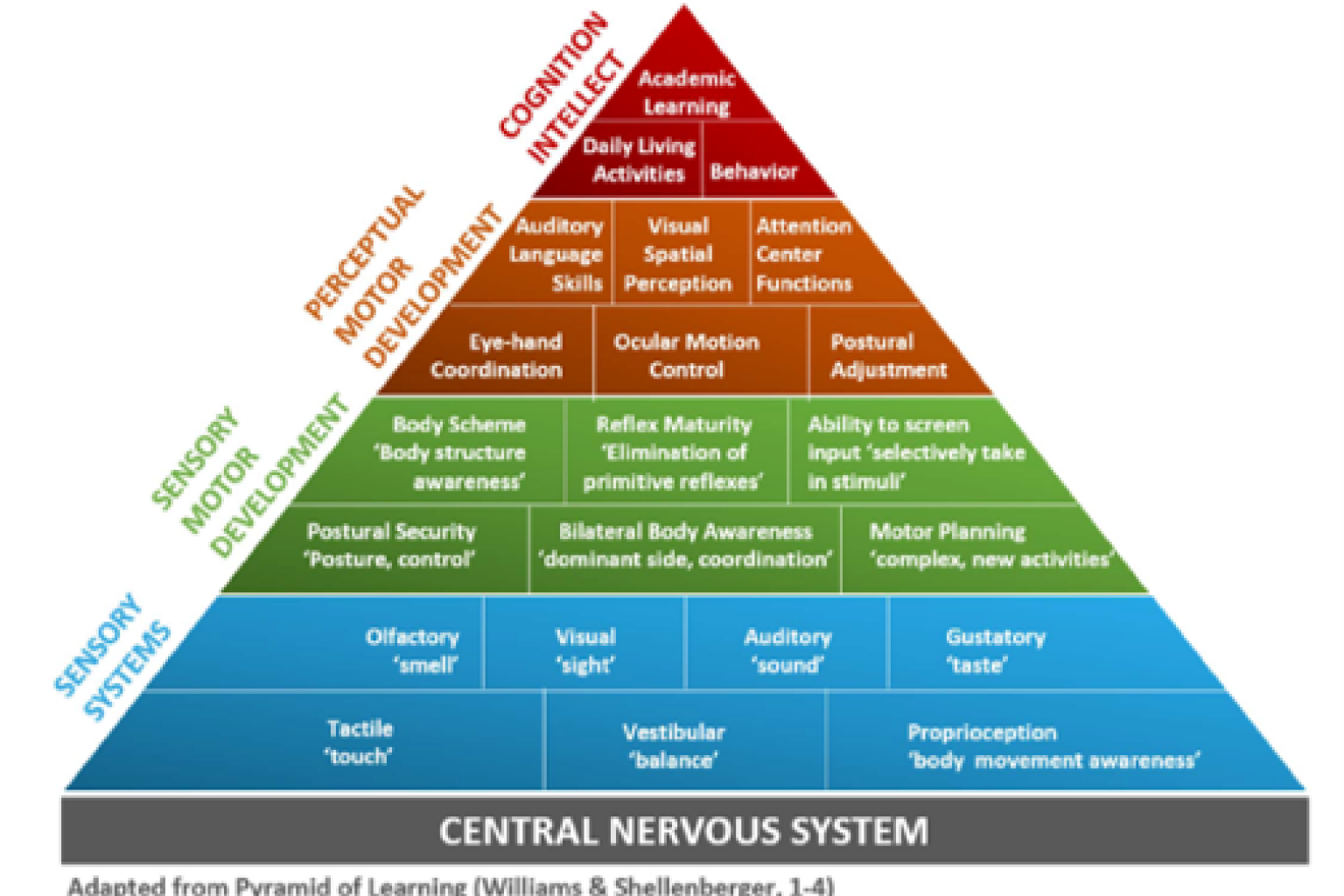
Children tend to develop skills in order, but every child develops at their own pace. New skills are built on earlier skills. This means that children need opportunities to practise and master foundation skills before moving on to more advanced ones.
Children learn best through play, exploration and everyday activities. It is important to encourage activities that match your child's developmental stage rather than their age. If your child is making steady progress, there is usually no cause for concern.
Things to remember
- children need regular opportunities to practise everyday skills such as dressing, drawing and writing. The more they practise, the more confident and skilled they become
- very active children may prefer physical play and spend less time on activities such as drawing or dressing. This is common and they should be gently encouraged to take part in a range of activities
- many children do not show a clear hand preference until around 4 to 5 years of age. Hand dominance is often fully established by around 7 years
- it is normal for children starting Reception not to have a mature pencil grip. Pencil grip often continues to develop throughout Reception and Year 1
- some children use different hands for different activities, such as writing with one hand and using cutlery with the other. This is usually not a concern as long as they do not switch hands during the same task
When to seek advice
If your child is continuing to develop new skills and make progress, there is usually no need for concern. However, if you have any worries about your child's development, your local Children's Therapy team will be happy to discuss them with you. Please see the Children's Therapy contact list on our website for details of your local service.